What to Look for When Sourcing Automotive Electronics, LED Lighting & OEM Parts from China
By Rico Car Accessories
After shipping automotive accessories to over 30 countries in the past five years, we have learned one thing: overseas buyers do not need another generic sourcing guide. They need to know which products actually sell, what typically goes wrong with quality, and how to avoid the most common sourcing mistakes.
This article focuses on the three categories that generate the most repeat orders for us — automotive electronics, LED lighting, and OEM/ODM custom parts. If you are an Amazon seller, a regional distributor, or an importer building your product line, here is what matters in practice.
Automotive Electronics: What Actually Sells
Car chargers, HUD displays, and LED ambient lighting kits move fast on e-commerce platforms. But not all electronics are worth your container space.
In our export experience, the products that distributors reorder most often share a few things in common. They are universal-fit rather than model-specific. They work on 12V and 24V systems. They come with CE and FCC markings already printed on the product body, not just on a sticker.
Car Chargers
Fast chargers with USB-C PD and USB-A QC 3.0 are the entry-level volume product for most new buyers. The retail price point is accessible, shipping weight is low, and return rates stay under 3% when the internal chipset is from a recognized IC manufacturer.
One thing Amazon sellers in Europe frequently ask about: does the charger handle the wider voltage range of commercial vehicles? A charger rated for 12-24V DC input with over-current and over-temperature protection will save you a lot of customer complaints.
HUD Displays
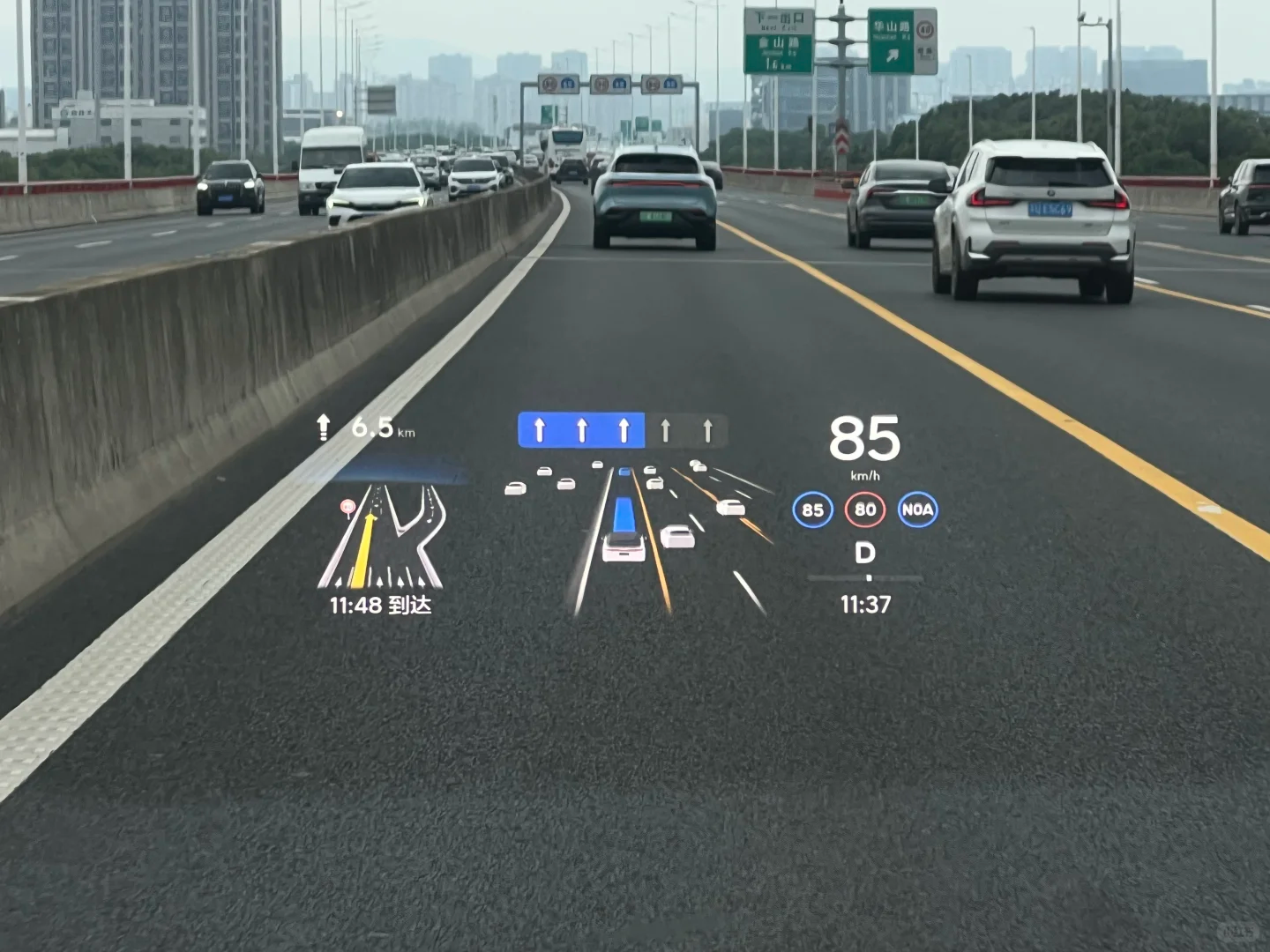
HUD speedometer displays have been a steady category for us, particularly in Southeast Asia and Australia. Buyers here tend to prefer the OBD-II plug-and-play version — no wiring, no professional installation. GPS-only versions sell better in markets where older vehicle models are common and OBD ports may not be standardized.
LED Ambient Lighting
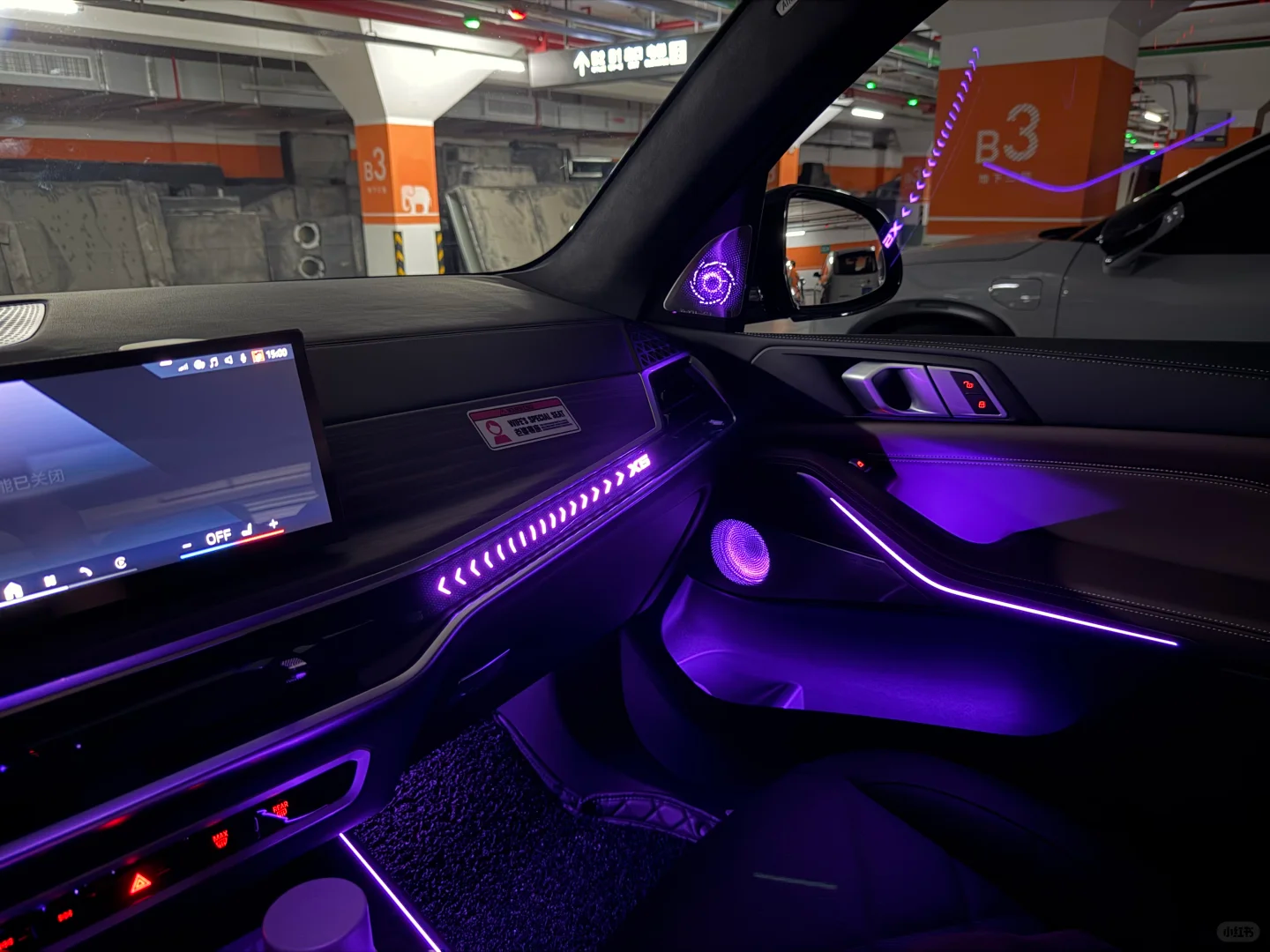
App-controlled fiber optic ambient lighting kits are one of those products where visual presentation drives conversion more than technical specs. Buyers scrolling Amazon or AliExpress respond to the "music sync" demo video, not the lumen rating.
From a sourcing perspective, what matters is the quality of the fiber optic strip itself. Cheaper strips yellow after 6-8 months of heat exposure. We recommend buyers request an aging test report — 72 hours at 85°C is a reasonable baseline. For the Middle East market, where cabin temperatures routinely exceed 60°C in summer, this is especially critical.
When we ship ambient lighting kits to North American distributors, each kit goes out with a retail-ready color box, an English manual, and a QR code linking to the installation video. These small packaging decisions make a big difference in end-customer satisfaction.
LED Automotive Lighting: Reliable Volume
LED headlights and fog lamps are not flashy new products. But they deliver something many buyers value more — predictable, repeatable sales volume.
LED Headlight Bulbs
The conversion from halogen to LED is well past the "trend" stage now. In North America and Europe, the majority of aftermarket headlight sales are LED replacements. Distributors stocking H4, H7, H11, and 9005/9006 bulb types cover roughly 80% of the passenger vehicle market.
A few practical points we have learned from export orders:
CANBUS compatibility matters more than raw lumen output. Many European cars will throw a dashboard error if the CANBUS decoder is not built into the bulb driver. We now include CANBUS-ready drivers as standard on all LED headlight orders — the incremental cost is about $0.40 per unit, but it eliminates the number one reason for returns.
Heat dissipation design separates reliable bulbs from the rest. Aviation-grade 6063 aluminum housing with a silent turbo fan is the minimum we recommend. Passive-cooled bulbs without fans may be quieter, but they do not survive extended use in enclosed headlight housings — a common setup in Japanese and Korean sedans.
IP67 waterproof rating is the baseline. For fog lamps and any bulb exposed to wheel spray, IP68 is better. The silicone O-ring seal at the bulb base is a small detail, but it is where water ingress usually happens on cheaper units.
Truck and Commercial Vehicle Lighting
Truck light bars, side marker lights, and taxi roof lights form a separate category with a different buyer profile. Fleet operators and commercial vehicle distributors care about two things above all: durability and regulatory compliance.
For our Australian and Southeast Asian truck light customers, the EMC certification is non-negotiable — LED drivers that cause radio interference will get flagged during vehicle inspections. We test every batch with a spectrum analyzer before shipment.
OEM/ODM: When Off-the-Shelf Is Not Enough
About 40% of our export volume now involves some level of customization. This ranges from simple private labeling (logo on product + custom color box) to full ODM projects where the buyer provides the design specification and we handle mold development, material selection, and production.
What OEM Buyers Usually Ask For
Private labeling is the most common request from Amazon sellers. The typical setup: our standard product with the buyer’s brand printed on the product body, a custom-designed retail box, and an English manual with the buyer’s company name. Minimum order quantity for private label orders usually starts at 200-500 units per SKU, depending on the product category.
Custom packaging goes beyond private labeling. Some European distributors require FSC-certified paper stock for retail boxes. Others need barcode labels formatted for Amazon FBA, with the FNSKU printed directly on the packaging. These are small operational details that matter a lot when your shipment arrives at a fulfillment center.
Full ODM projects — where the buyer comes with a specification and we build to it — typically involve a mold fee, a sampling round, and a pre-production approval stage. The timeline from initial inquiry to first shipment is usually 35-55 days, with the mold development taking the bulk of that time.
Certifications and Compliance
Every market has its own requirements, and mixing them up causes delays at customs. A quick reference from our experience:
- Europe: CE + RoHS + REACH. E-mark for lighting products sold as replacement parts.
- North America: FCC for electronics, DOT/SAE compliance for lighting.
- Australia: RCM for electronics, ADR compliance for vehicle lighting.
- Middle East: Gulf Conformity Mark or SASO certificate for Saudi Arabia shipments.
We keep digital copies of all certification documents ready to share — buyers should not have to chase a supplier for basic compliance paperwork.
Quality Control Before Shipment
For every export order, we run a standard pre-shipment inspection that covers:
- Visual check: surface finish, color consistency, logo placement
- Functional test: power-on test for every electronic unit; 10% random sampling for mechanical items
- Packaging check: correct labels, barcode scannability, box condition
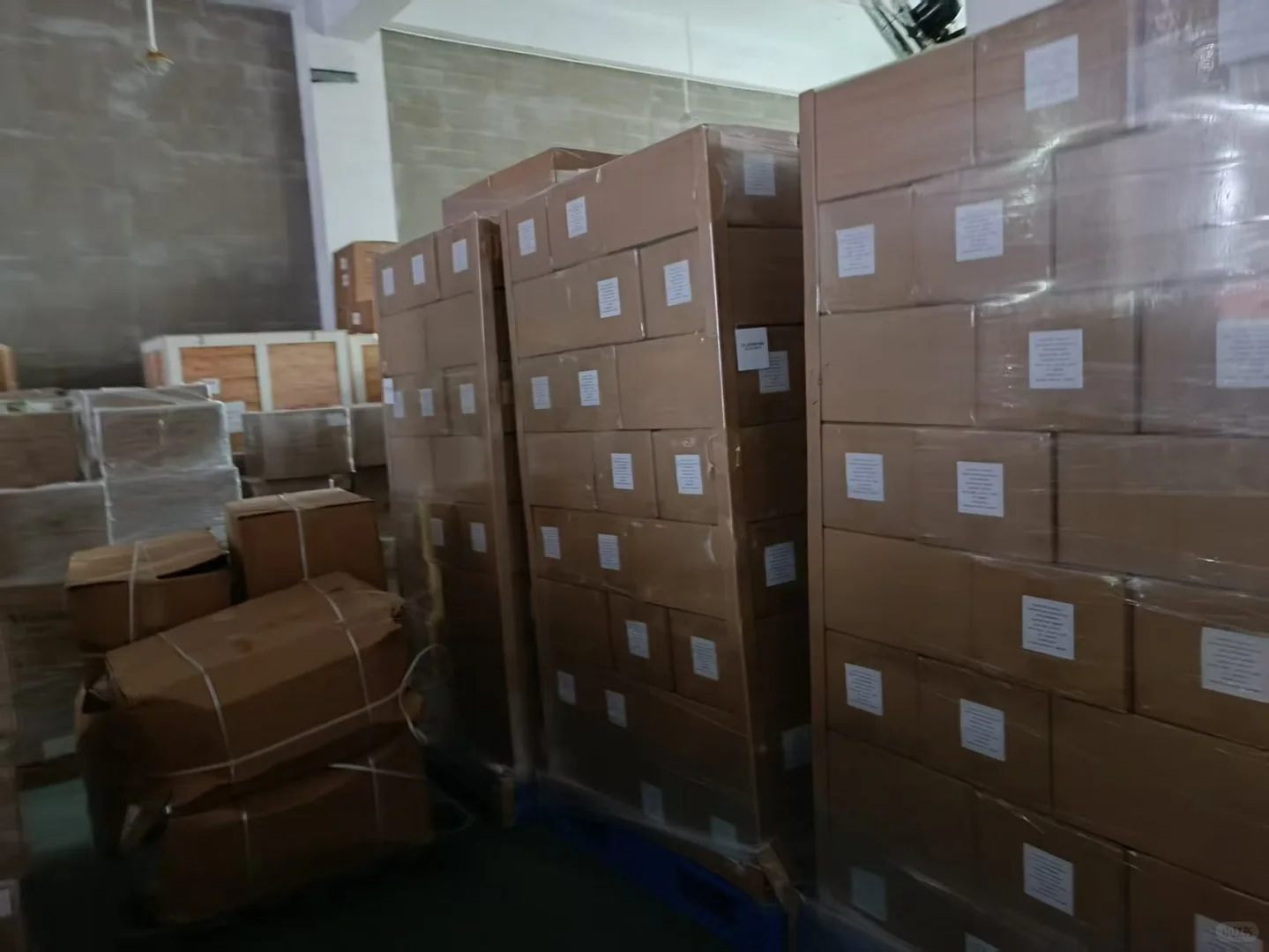
- Loading photos: container loading documented and shared with the buyer
For electronics and LED products, we also include a burn-in test — 4 hours continuous operation before packing. This catches early-life failures before the product leaves the factory.
Practical Sourcing Tips
These are the things experienced buyers do differently:
Start with a trial order. Even if you have done your research, a 50-100 unit trial order lets you check product quality, packaging, and your own market response before committing to a full container.
Consolidate SKUs. Shipping one carton of 20 different products costs more per unit than shipping 20 cartons of the same product. Pick 5-8 core SKUs for your first order and build from there.
Ask about packaging weight. A product that weighs 200g in a 350g retail box costs nearly double the freight compared to the same product in a 220g compact box. We work with buyers to optimize packaging for their shipping method.
Check lead times honestly. Standard production lead time for most auto accessories is 15-25 days. Add 20-30 days for sea freight to Europe or North America. Plan your inventory 45-60 days ahead, not 30.
Summary
Sourcing automotive accessories from China works best when you treat it as a partnership rather than a transaction. The suppliers worth working with will share certification documents upfront, support small trial orders, and communicate clearly about lead times and quality standards.
We supply automotive electronics, LED lighting, interior accessories, exterior styling parts, and functional gear to distributors in over 30 countries. If you are building or expanding your product line, feel free to browse our catalog or reach out for wholesale pricing and OEM inquiries.